
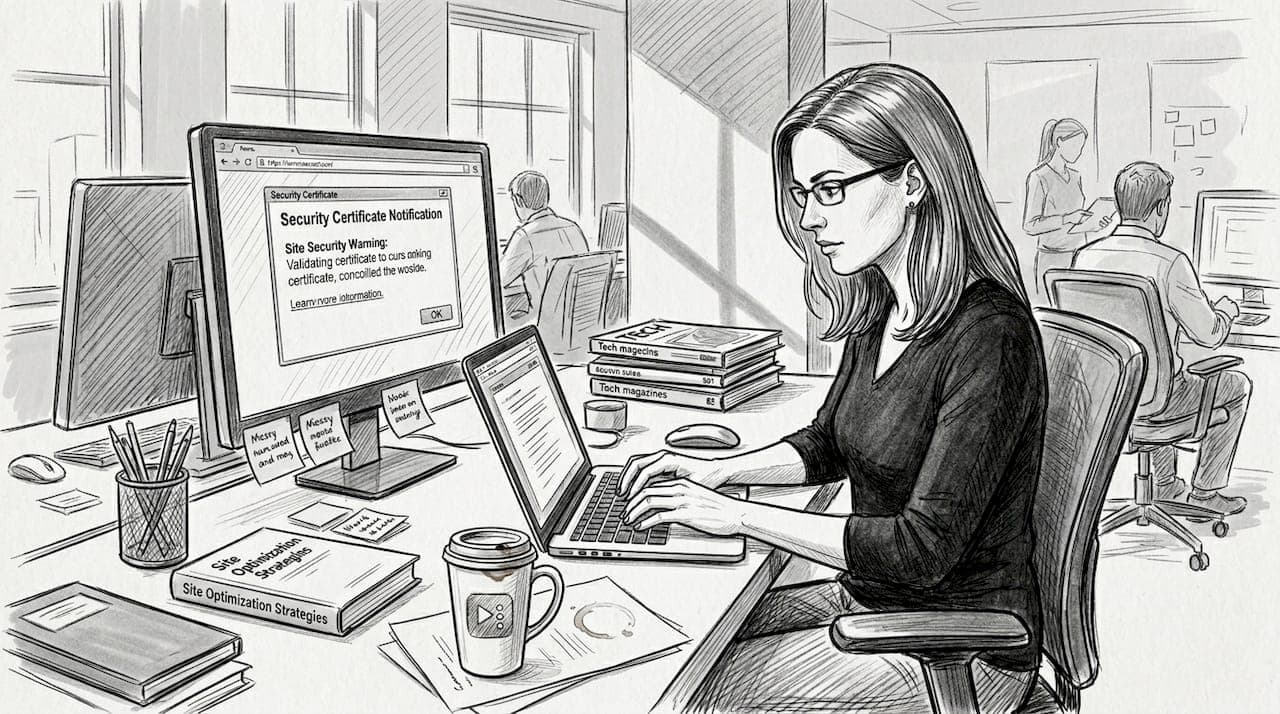
More than 95% of top results on Google use HTTPS, and that number isn't a coincidence. For nail salons, med spas, and wellness studios across Texas, site security isn't just a tech concern — it's a ranking factor that directly affects how many new clients find you online. Most small business owners think security is about keeping hackers out. That's true, but it's only half the story. Google uses security signals to decide which websites deserve to rank. This article breaks down what that means for your business, what you need to do about it, and how a more secure website can put you ahead of local competitors.
Table of Contents
- Why site security matters for SEO
- Site security essentials every business needs
- How security issues hurt your SEO and reputation
- Boosting search visibility with secure sites
- A Texas SEO expert's take: Security is your fastest path to trust
- Unlock secure SEO for Texas service businesses
- Frequently asked questions
Key Takeaways
| Point | Details |
|---|---|
| HTTPS is a must | Secure HTTPS is essential for ranking on Google and earning customer trust. |
| Security boosts visibility | Upgrading site security can quickly improve your position in local search results. |
| Protects reputation | Strong security prevents loss of customers and protects your brand from penalties. |
| Practical upgrades | Simple steps like SSL certificates and regular updates make a big SEO difference. |
| Local SEO connection | Security is especially important for Texas service businesses targeting local customers. |
Why site security matters for SEO
Google has been clear about this for years: security is a ranking signal. When your website uses HTTPS (Hypertext Transfer Protocol Secure), it tells search engines that your site encrypts data between the browser and your server. That matters to Google because it wants to send users to websites that won't put them at risk.
Here's where the numbers get eye-opening. Over 95% of top-ranking Google results use HTTPS. If your site still runs on plain HTTP, you're already at a structural disadvantage before a single keyword even gets evaluated.
| Factor | HTTP Site | HTTPS Site |
|---|---|---|
| Google ranking signal | Negative | Positive |
| Browser warning shown | Yes | No |
| User trust level | Low | High |
| Eligibility for local map pack | Reduced | Strong |
| Bounce rate tendency | Higher | Lower |
For beauty and wellness businesses, trust is everything. A potential client searching for a nail salon in Round Rock or a med spa in Cedar Park will click away from a site flagged as "Not Secure" before they even read your menu of services. That bounce (when someone leaves immediately) signals to Google that your page isn't satisfying searchers, which pushes your rankings down further.
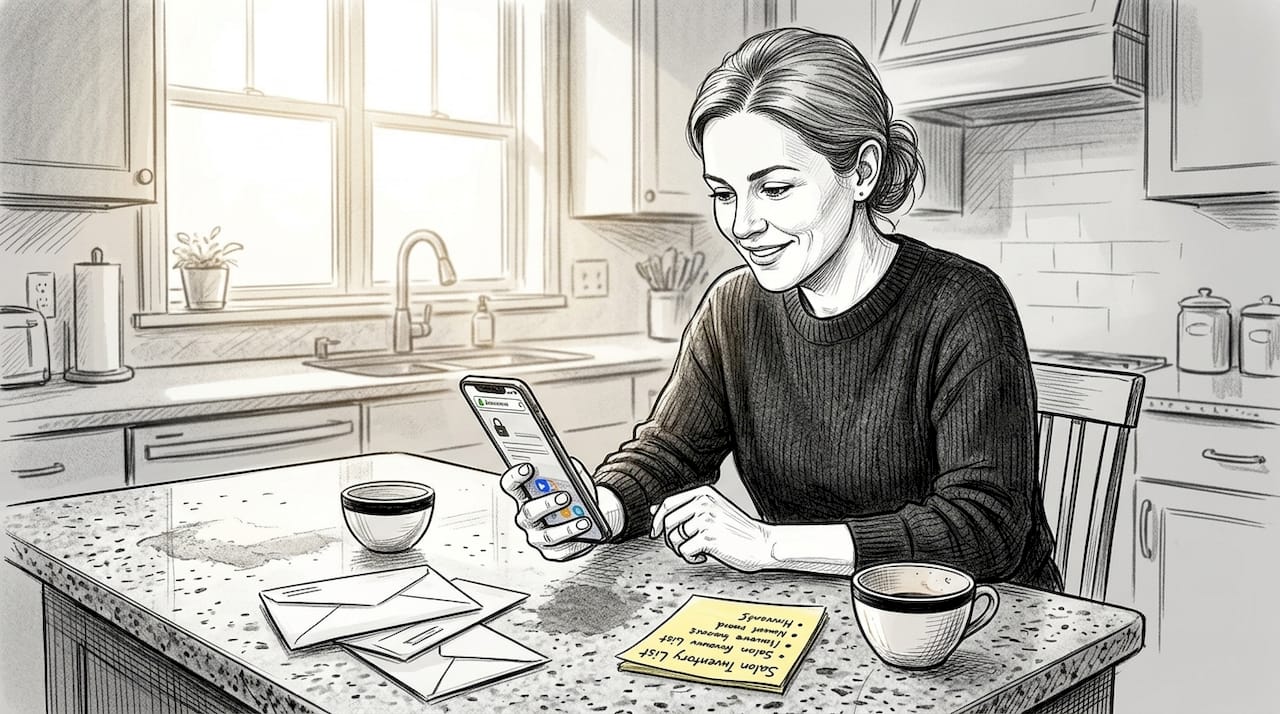
Security also overlaps with your Google Maps ranking performance. Google evaluates your website as part of determining local map pack eligibility. A site with security warnings or vulnerabilities creates friction in that evaluation.
Key reasons security influences your SEO:
- HTTPS is a confirmed Google ranking signal
- Insecure sites trigger browser warnings that increase bounce rates
- Google's crawlers flag security issues during indexing
- Trust signals from secure sites improve local map pack eligibility
- Secure sites load faster, and page speed is also a ranking factor
Pro Tip: If you're already working on ranking your salon on Google Maps, securing your site is one of the fastest technical wins you can make. It costs very little and signals credibility to both Google and real humans.
Site security essentials every business needs
Knowing that security matters is one thing. Knowing what to actually do is another. The good news: the baseline requirements aren't complicated, and most of them are affordable even for a solo-operator nail studio or a small wellness clinic.
Start with HTTPS and an SSL certificate. SSL (Secure Sockets Layer) is the technology behind HTTPS. Most reputable hosting providers include a free SSL certificate through services like Let's Encrypt. If your site still shows "http://" in the address bar, contact your hosting provider today. This is a non-negotiable step.
"A secure site isn't a luxury for big brands. It's the minimum standard any business needs to compete in local search in 2026."
Choose secure, reputable hosting. Shared hosting at bargain prices often means shared vulnerabilities. Look for hosts that offer automatic backups, firewalls, malware scanning, and regular security patches. Your website design and hosting setup should work together to protect both your data and your rankings.
Keep software and plugins updated. This is where most small business websites get into trouble. Outdated WordPress themes, plugins, or content management systems are among the most common entry points for malware. Understanding common security risks helps you prioritize what to update and monitor.
Security essentials checklist:
- Install and renew an SSL certificate (HTTPS)
- Choose a hosting provider with built-in security tools
- Update all plugins, themes, and CMS software monthly
- Use strong, unique passwords and two-factor authentication
- Set up automated daily or weekly backups
- Install a web application firewall (WAF)
Pro Tip: Set a recurring monthly reminder to check your site's plugin and software versions. Five minutes of updates can prevent weeks of SEO recovery after a malware attack.
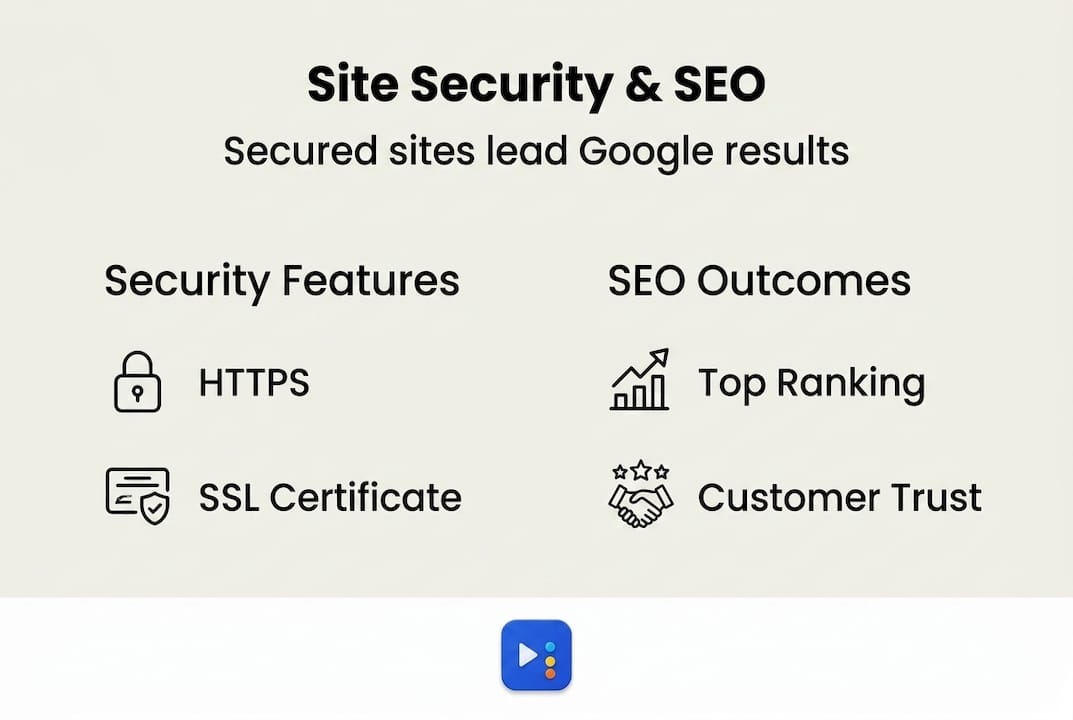
Note that over 95% of pages ranking on the first page of Google are secured. That means your competitors in Austin and Pflugerville who have already done this are ahead of you if you haven't.
How security issues hurt your SEO and reputation
Let's be direct about what happens when you ignore site security. It's not just a background technical risk. It shows up in your rankings, your reviews, and your revenue.
Here's how the damage unfolds:
- Google detects your site lacks HTTPS and deprioritizes it in search results
- Visitors see a "Not Secure" browser warning and leave immediately
- High bounce rates tell Google your site isn't useful, pushing rankings lower
- Malware infects your site, causing Google to add a "Dangerous Site" warning
- Google Search Console flags the site and may remove it from results entirely
- Clients leave negative reviews about feeling unsafe, damaging your local reputation
For a med spa or beauty salon, one security incident can wipe out months of positive reviews and referrals. A client who clicked through your site and later got a phishing email might blame your business, even if the attack was unrelated. Perception matters.
| Scenario | Secure Site | Insecure Site |
|---|---|---|
| Local search ranking | Top results | Buried or penalized |
| Client conversion rate | Higher | Lower |
| Google penalty risk | Minimal | High |
| Recovery time after attack | Days | Weeks to months |
The local SEO impact of a compromised site is severe. Google specifically evaluates page experience signals, which include whether a site is safe to browse. Your competitors who invested in security stay visible while your rankings drop.
Businesses in competitive Texas markets like Austin, Georgetown, and Manor can't afford that kind of setback. One look at the SEO strategies for Texas businesses makes it clear: technical health, including security, is foundational. You can't build rankings on a broken or vulnerable site.
Statistic to keep in mind: Sites ranking in Google's top positions are almost universally secured with HTTPS. That means insecure sites are effectively competing for scraps at the bottom of search results.
Boosting search visibility with secure sites
Now for the part that actually gets results. Once your site is secure, you're not just avoiding problems. You're actively building a stronger foundation for local SEO growth.
Google rewards sites that provide a safe, fast, and reliable user experience. A secure site that loads quickly and functions without errors sends consistent positive signals to search engine crawlers. Over time, those signals accumulate into better rankings.
Practical ways to signal trust to Google:
- Maintain a valid, up-to-date SSL certificate at all times
- Fix any mixed content warnings (pages that load some elements over HTTP)
- Submit your sitemap through Google Search Console after securing your site
- Monitor your site weekly with tools like Google Search Console or Sucuri
- Respond to any flagged security issues within 24 hours
"Modern door hardware upgrades teach us something useful: small improvements to physical security build trust with everyone who enters. The same logic applies online."
For Texas service businesses, local SEO and site security go hand in hand. When we work with clients in Pflugerville and surrounding areas, one of the first things we audit is site security. It's often the fastest win available.
Secure site checklist for Texas service businesses:
- Confirm HTTPS is active on every page, including booking and contact forms
- Test your site on Google's PageSpeed Insights for speed and security scores
- Check that your Google Business Profile links to your secured website URL
- Audit third-party scripts and plugins for known vulnerabilities quarterly
- Back up your site at least weekly with off-site storage
Note that first-page Google results are overwhelmingly secured sites. That benchmark tells you exactly where you need to be.
Pro Tip: After switching to HTTPS, set up a 301 redirect from all HTTP pages to their HTTPS versions. This preserves your existing SEO authority and prevents Google from seeing your old and new URLs as duplicate content.
A Texas SEO expert's take: Security is your fastest path to trust
We've worked with beauty and wellness businesses across Central Texas long enough to notice a pattern. The ones who invest in a clean, secure website don't just rank better. They get more referrals, more positive reviews, and more repeat clients.
Here's the honest truth: most small business owners treat security as an afterthought. They focus on social media, Instagram reels, and Google ads while their actual website runs on outdated plugins with an expired SSL certificate. Then they wonder why their local SEO best practices aren't moving the needle.
Security isn't glamorous. But it's the foundation. A client who lands on your booking page and sees a browser security warning doesn't book. A client who lands on a fast, secure, professional site does. That's the real conversion path. Before you invest more in ads or content, make sure the foundation your marketing lands on is actually solid. In our experience, fixing security issues is often the single fastest way to see measurable improvement in both rankings and client trust.
Unlock secure SEO for Texas service businesses
Site security is one of the most overlooked levers in local SEO, and it's one we take seriously for every client we work with. If your website isn't secured, you're leaving rankings, trust, and bookings on the table.

At ourLocalSEO, we build and optimize websites that are fast, secure, and designed to rank in local search. Whether you need proven SEO strategies to compete in your area, a full website design that's built secure from the ground up, or a complete local SEO plan tailored to your Texas market, we're ready to help. Reach out today and let's make sure your site is working as hard as you are.
Frequently asked questions
Does having HTTPS really improve my SEO rankings?
Yes, Google considers HTTPS a confirmed ranking factor, and over 95% of results on the first page of Google use it. Switching to HTTPS is one of the most direct technical SEO improvements you can make.
What are the biggest security risks for my small business website?
The most common threats include outdated plugins, weak passwords, and missing SSL certificates, any of which can trigger Google penalties and damage your reputation. Staying on top of top security risks is part of maintaining a healthy, rankable site.
How quickly will stronger site security impact my local SEO?
Many businesses see improvement in search visibility within a few weeks of upgrading to HTTPS, since sites with HTTPS tend to rise in Google rankings once the change is indexed and redirects are in place.
Can site security affect my Google Maps ranking?
Yes. Google evaluates your website as part of its local map pack algorithm, and secure sites are favored in both organic and local results. An insecure site can limit your visibility even if your Google Business Profile is fully optimized.